
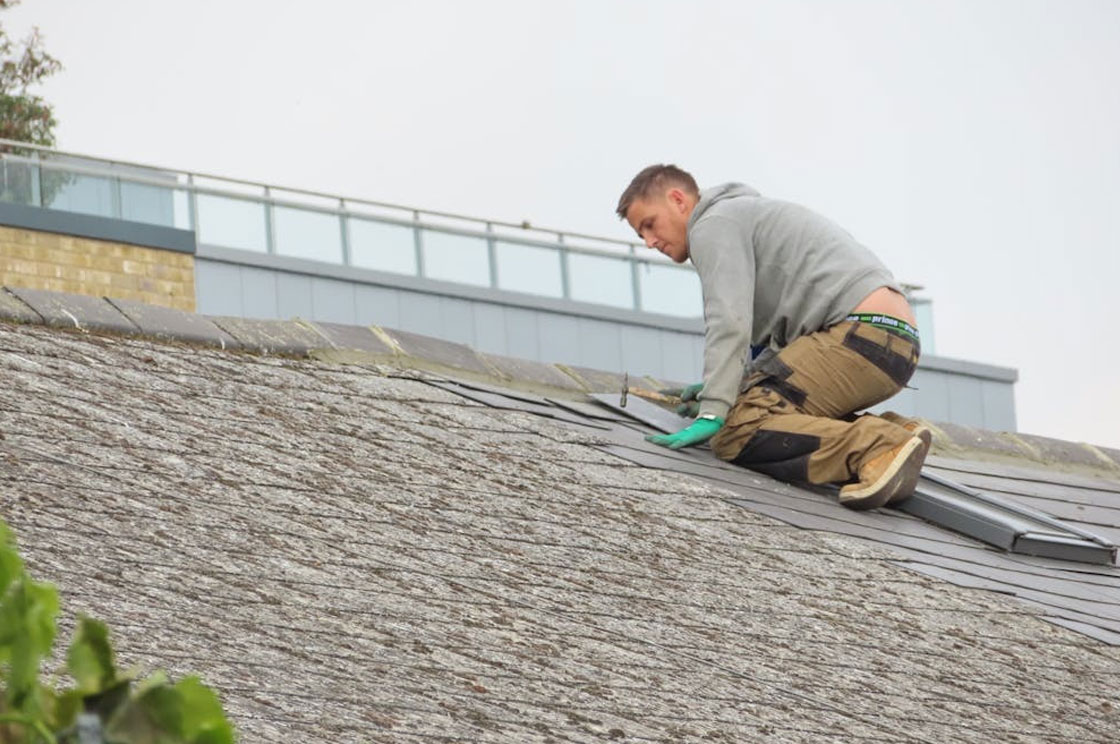
The Ultimate Guide To Roof Maintenance For Beginners
Everything a new homeowner must know about protecting their roof, prolong its lifespan, and avoid the costly surprises that negligence causes
It is your roof that acts as the most crucial protection system for your home. It protects everyone and everything underneath it from the elements of the elements of snow, wind, rain hot, cold and heat operating silently and continuously throughout hundreds of weather-related events each year, without the attention or respect that many homeowners put aside for their interior renovations that they see and appreciate.
It’s this invisibility that causes roof maintenance to be so frequently ignored. Out of sight is out of mind – until there is a water stain in the ceiling or a roof shingle is blown into the yard following a storm or a roofing company gives an estimate that takes your breath out of your mouth.
One of the benefits for novice home owners is that the routine maintenance routine that avoids the majority of roof problems isn’t difficult to perform or long-lasting. It’s about observation, basic knowledge about what you should look out for and the discipline to take action on minor issues before they turn into major ones. This guide provides everything you need to get started on with today.
It will teach you the things to look for and when to look it over and what normal appearances as opposed to what needs attention and when it is time to contact an expert instead of trying the repair yourself.
Understanding Your Roof: The Components Every Homeowner Should Know
To maintain your roof efficiently it is essential to have a understanding of what it’s made from and the way each element affects the overall performance. The most commonly used roofing material for homes in North America is asphalt shingles — the overlapping tile with granules, which form the visible surface.
Below the shingles is an underlayment — a waterproof protection made of synthetic or felt material that is placed directly on the roof deck, which acts as another layer of protection against water intrusion if roofing shingles become damaged. Under the underlayment lies the deck of the roof -usually oriented strand board or plywood sheathing that is nailed on to structural rafters.
Flashing, which is a thin strip of metal, mostly galvanized steel or aluminumcan be found where the roof’s surface comes into contact with the vertical elements like skylights, chimneys vent pipes, dormers and walls. Flashing is among the most frequent causes of failures in water infiltration, and requires special attention during any roofing inspection.
Gutters and downspouts are designed to collect and redirect water away from the roof, off the foundation. Soffit vents and ridge vents control airflow in the attic, stopping condensation of heat and moisture that can accelerate the deterioration of shingles from below. Understanding these elements and their interactions provides you with the language and a conceptual framework to look at your roof, explain and discuss your roof’s condition in an intelligent manner.
The Twice-Yearly Inspection Routine Every Homeowner Can Do
The basis of any successful roofing maintenance program is a periodic visual inspectionat least twice a year, during the spring, after snow has left and in the fall prior to winter’s arrival. The most crucial safety rule for homeowners who are new to the field is that the bulk of roof inspections can be done safely from the ground using binoculars and roofing experts generally suggest that homeowners with no training beware of walking on their roofs entirely.
Roofs that are pitched can be slippery and the chance of falling is high and walking on old shingles may accelerate cracking and loss of granules. When you are standing on the ground employ binoculars to continuously scan each roof plane for indications: cracked, missing or clearly curled shingles areas of shingles that appear darker or more shiny than the surrounding ones,
which indicates the loss of granules; noticeable sliding in any plane of the roof or along the edge of the ridge; rusty streaks or gaps in flashing points around chimneys vents, skylights and chimney and algae or moss growth, which is visible as dark streaks or green patches that suggests moisture retention and could lead to damage to the shingles. From the inside, look over the attic area with flashlights for light that can be seen on the deck of your roof, visible water staining or dark streaks on sheathing and rafters, and any indication of condensation or active moisture.
Note your findings using photographs that are dated and organized by place This record can provide an invaluable reference point for any inspection by a professional as well as insurance case.
Gutters: The Maintenance Task Most Homeowners Skip — and Shouldn’t
Maintenance of gutters is technically related to roof maintenance but it is so directly related to the health of your roof and its longevity that it is a part of any serious discussion about both. Gutters that are blocked and cannot drain efficiently create a chain of issues that harm not only the gutters but also the fascia board that lies in front of them, the fascia board underneath it, as well as the base next to the downspout discharge and, in winter the roof edge over the gutters.
If gutters aren’t able to drain, water is able to back up behind the gutter, and then beneath the shingles that are on top — a situation known as an ice dam, especially in winter climates which is when refreezing that trapped water causes it to flow under the shingles, and eventually into the house.
Cleaning gutters of leaf particles, seeds and sand is a simple job that homeowners are able to complete safely using a situated ladder employing a gutter scoop or gloves, at least at least twice a year In the late fall after the drop of leaves and in spring following pollen and seeding. While cleaning, ensure that your gutter sections are directed towards downspouts without section that pools as well as the gutter hangers are secured and have not slipped off the facia.
Also, ensure that downspouts are securely connected and drain minimum three feet away from the ground, and the gutter seams do not show signs of rust or separation. Screens for gutters – or covers that prevent the accumulation of debris — may prolong the time between cleanings, but don’t remove the need for periodic inspections and maintenance completely.
Tree Management: The Overlooked Threat Above Your Roofline
They are the one of the prevalent and most easily avoided causes of roof damage. their control is a crucial element of a proactive maintenance plan for your roof. The main risks they present are the physical contact and debris accumulation.
Branch branches that touch or overhang the roof’s surface cause abrasion to roof shingles during winds by stripping granules of granules and breaking down the UV-protective layer of shingles in a manner that increases the overall aging of the roof. The falling branches — an threat which increases with age and dead limbs grow and storms get more severe the most expensive and damaging kind of roof damage that is caused by trees.
The most practical rule of maintenance is easy that no tree’s limb should extend more than 10 feet of the roof’s surface. Branching within that distance should be cut back by an arborist who is certified who is able to evaluate not just the hanging branches but also the overall condition of the tree and detect dead wood that may be potential dangers of falling during future storms.
In addition the twig, leaf and seed debris leaves of deciduous trees accumulate on roofs accelerates organic growth and retention of moisture in the event that it is allowed to build upparticularly in roof valleys, where debris naturally accumulates. The removal of debris from valleys as well as flat roof sections following fall leaf fall is a valuable maintenance task that requires an air blower or soft-bristled, broom operated with care using a ladder set on the edge of the.
Moss, Algae, and Lichen: What They Are and How to Address Them
The dark streaks visible on the roofs of a lot of homes especially in heavily shaded or north-facing slopes — is typically due to a cyanobacterium dubbed Gloeocapsa magma. This organism feeds off the limestone filler that is found in asphalt shingles. It leaves dark staining to indicate its presence.
If left untreated the organism holds moisture on the surface of the shingles and eventually dissolves the asphalt binder which holds the granules. Moss — the more dense and textured green growth that grows in humid, shaded and moist areas can cause structural damage more directly by lifting the edges of shingles with its rhizoids that resemble roots, and opening up pathways for water to enter under the shingles.
Both are treatable by using a dilute solution consisting of bleach and water applied to the roof’s surface, and left to sit for 20 minutes before washing gently using low-pressure waterbut never with pressure washers, as this removes granules, and can void many warranties from manufacturers. Numerous roofing companies sell algae-resistant shingles that contain zinc or copper granules.
These stop the growth of bacteria and copper or zinc strips placed close to the ridge line release small amounts of metal each rainfall that impedes new growth throughout all slopes. Preventing the growth of algae through proper sunlight exposure and airflow which is facilitated by an appropriate tree management is more effective than any other treatment that is applied following the fact.
When to Call a Professional — and What to Expect
Knowing the boundary between homeowner-appropriate maintenance and professional roofing work is one of the most practical distinctions a beginner homeowner can internalize. The duties that are appropriate for homeowners who are equipped with basic tools and the ability to work at heights are gutter cleaning, removal of debris from flat and valley sections as well as treatment for algae and moss and the management of tree branches.
The duties that must be assigned an authorized roofing professional includes any work that requires working on the roof’s surface as well as replacing or resealing the the flashing surrounding chimneys as well as penetrations. They can also replace individual shingles following damage from hail or wind and sealing any leaks and any inspection that requires a physical examination of the roof’s surface, instead of a visual observation from the ground.
A majority of trustworthy roofing contractors provide an annual inspection -which is a thorough walk over the entire roof by a certified technician who can spot any emerging issues that aren’t visible to ground-level inspection — for a small cost that typically ranges around one hundred fifty to 3000 dollars. It is best to schedule this inspection for spring, following the physical strains of winter, will give you the most precise assessment of your roof’s condition, and also gives you the longest time to prepare and budget for any needed repairs prior to the coming storm season.
When choosing a roofing company for repair or inspection check their current license and insurance, read reviews that specifically mention inspection quality and honesty instead of just installing work. Be suspicious of any roofing contractor that seems unwelcome after a storm to offer inspections for free with a deadline that doesn’t allow the time to verify.
Your Annual Roof Maintenance Calendar at a Glance
The consolidated practices of this guide into an easy calendar for the year makes the process of maintaining your roof concrete and feasible. In spring, perform your biannual visual inspection at ground level using binoculars. Check the interior of your attic for evidence of moisture, wash the gutters from winter and spring debris, examine the discharge and grade of your downspout and then schedule an appointment with a professional inspector when you are not sure of the results you saw or the roof is more than 10 years old. In summer, trim any branches of trees which have grown within 10 feet of the roof’s surface.
Monitor for and treat any growth of algae or moss prior to it forming and then check the gutters following severe summer storms to see if there is debris accumulation. In the fall, perform your biannual inspection. Clean the gutters completely after a leaf fall and clean up debris from roof valleys and ensure that all flashing has been sealed before winter arrives.
In the event of a major storm like big hail, strong winds or heavy snowfall conduct a quick scan of the ground for visible damage. Then, look at the interior of your attic for evidence of moisture before concluding that the roof is unharmed. The annual process will take about up to six or four hours per year. The problems it avoids could cost thousands of dollars and a lifetime of stress to fix. This return on investment is one of the most beneficial options homeowners can get.
The Best Roof Maintenance Is the Kind You Start Today
Every year without an inspection of the roof one in which minor cheap problems can are likely to turn into costly ones that are large -at a distance, without notice and totally avoidable. The homeowners who stay clear of the most expensive and painful roof-related problems are not those who have the most modern roofs or most expensive roofing materials.
They keep an eye on the situation, react when they encounter small issues promptly and keep a relationship with a reputable roofing expert who sees the things they can’t. There is no need to be a roofing expert to ensure your roof is maintained effectively.
It is essential to be an owner who checks up at least twice per year, clears the gutters in autumn and keeps the trees cut back, and answers the phone when there is something that appears suspicious. If you do this, your roof will safeguard you and your home each year that it is built to lastand maybe even last for a longer time.
Disclaimer This article is intended meant to be informative only and is not a any roofing professional advice. Always consult a licensed and insured roofing contractor prior to performing any roof-related work other than level inspection and cleaning. Don’t walk on roofs without appropriate safety equipment and a proper education.